
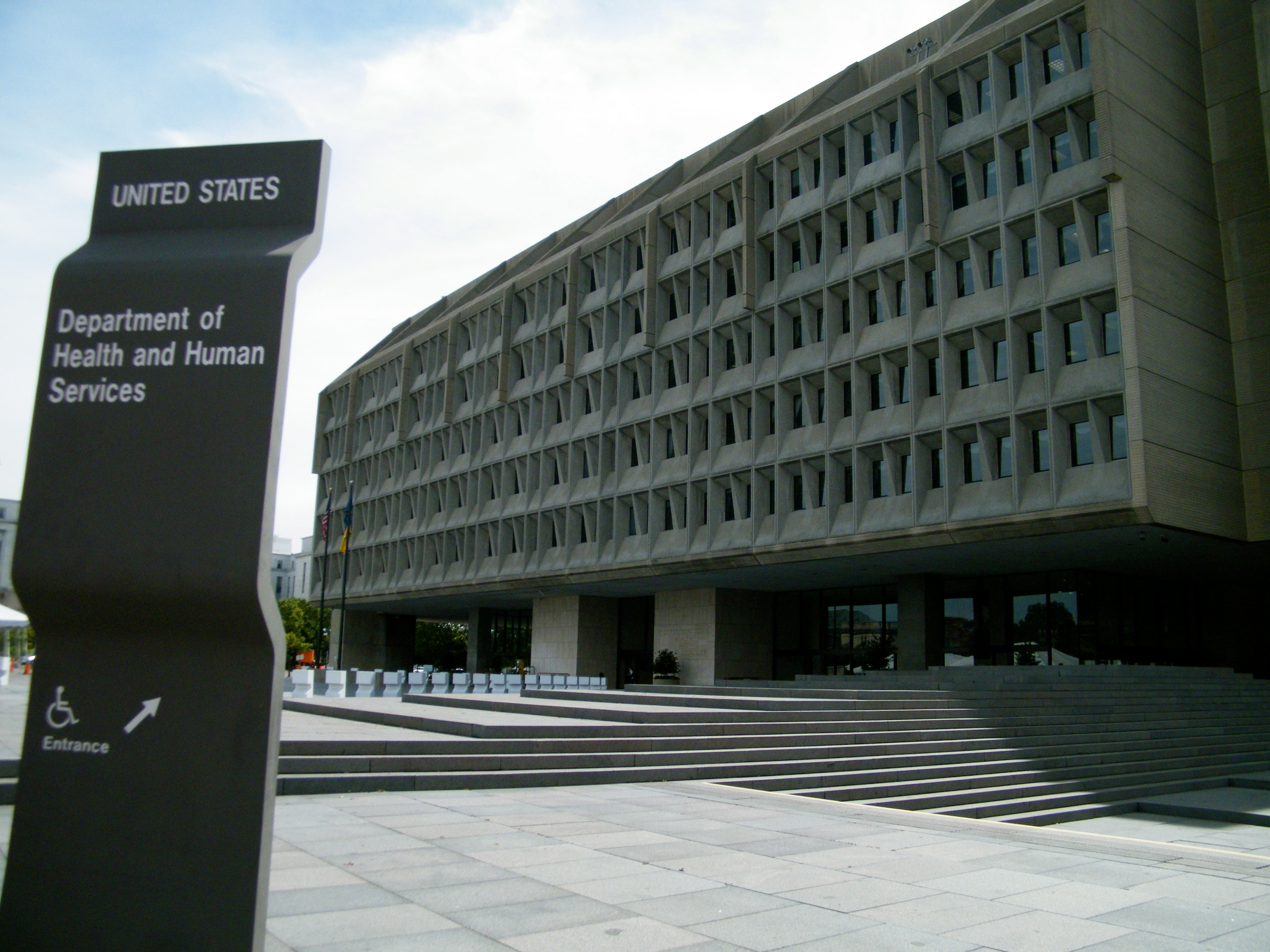
The landscape of Medicare and Medicaid has witnessed several significant policy changes and proposals since 2022, aimed at enhancing coverage, increasing accessibility, and ensuring affordability for millions of Americans. These adjustments have profound implications for beneficiaries relying on these essential health programs.
Medicare Changes
Special Enrollment Periods and Eligibility
Recent changes have expanded Medicare’s Special Enrollment Periods, providing beneficiaries more flexibility to enroll or adjust their coverage without penalty due to specific circumstances like emergencies, errors, or incarceration. These changes aim to reduce gaps in coverage and prevent late enrollment penalties, enhancing accessibility for those who missed initial enrollment due to exceptional situations (KFF).
Medicare Advantage and Part D Updates
Looking ahead, the Centers for Medicare & Medicaid Services (CMS) propose several updates to Medicare Advantage and Part D plans. These include enhancements in the Star Ratings program to encourage higher quality care and new requirements to ensure Medicare beneficiaries receive accurate information during the enrollment process. Another notable proposal is the implementation of a health equity index reward to improve care for enrollees with social risk factors (CMS.gov).
Improving Drug Affordability
The Inflation Reduction Act introduces measures to control high-cost drugs under Medicare, with the government set to negotiate drug prices starting in 2026. Additionally, the act includes provisions to cap out-of-pocket spending on Part D to $2,000 annually starting in 2025, significantly easing the financial burden on beneficiaries (KFF).
Medicaid Changes
Extended Coverage and Benefits
Significant changes under the Inflation Reduction Act also impact Medicaid. Notably, the act includes provisions that protect Medicaid rebates and allow the program to benefit from Medicare’s negotiated drug prices. Moreover, the act ensures that vaccines and their administration are covered for all adult Medicaid recipients without cost-sharing, expanding preventive health services for low-income adults (KFF).
Standardizing Health Plan Options
The 2023 Notice of Benefits and Payment Parameters has led to the introduction of standardized health plan options. This policy, effective from 2023, is designed to make the shopping experience on HealthCare.gov easier for consumers by simplifying plan comparisons. This includes clearer presentations of out-of-pocket costs, deductibles, and other financial aspects, ensuring consumers can make more informed decisions (HHS.gov).
These policy changes are designed to improve the effectiveness of Medicare and Medicaid, helping to ensure that beneficiaries receive the care they need without undue financial burdens. These adaptations not only aim to enhance the quality of healthcare services but also strive to make healthcare more accessible and equitable across the board.